CADAGNO MEROMICTIC
a journey to the origins of life
Val Piora e il mistero
del Cadagno
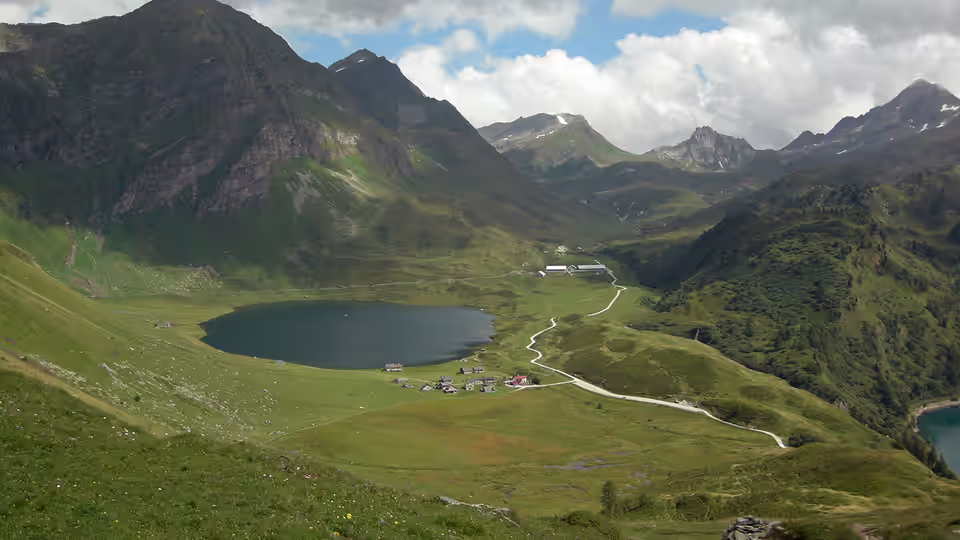
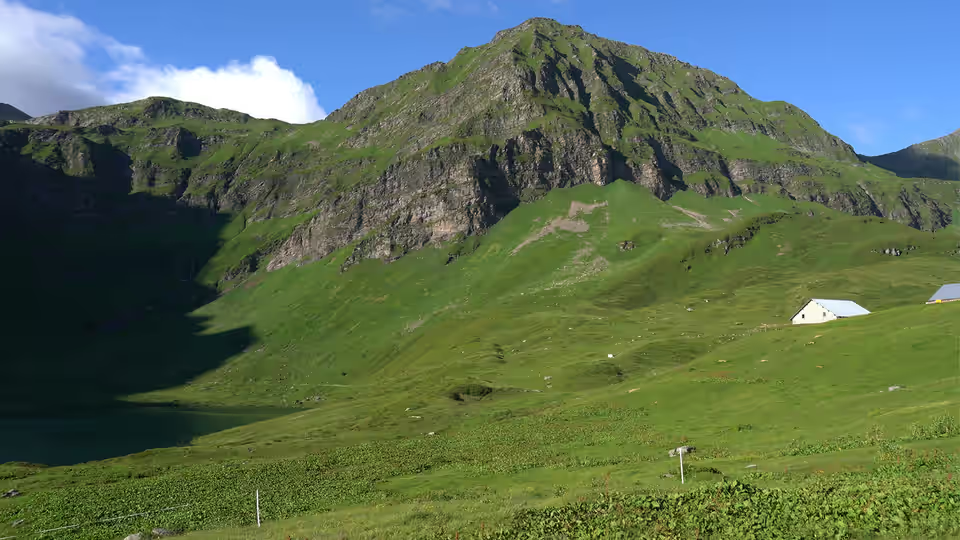
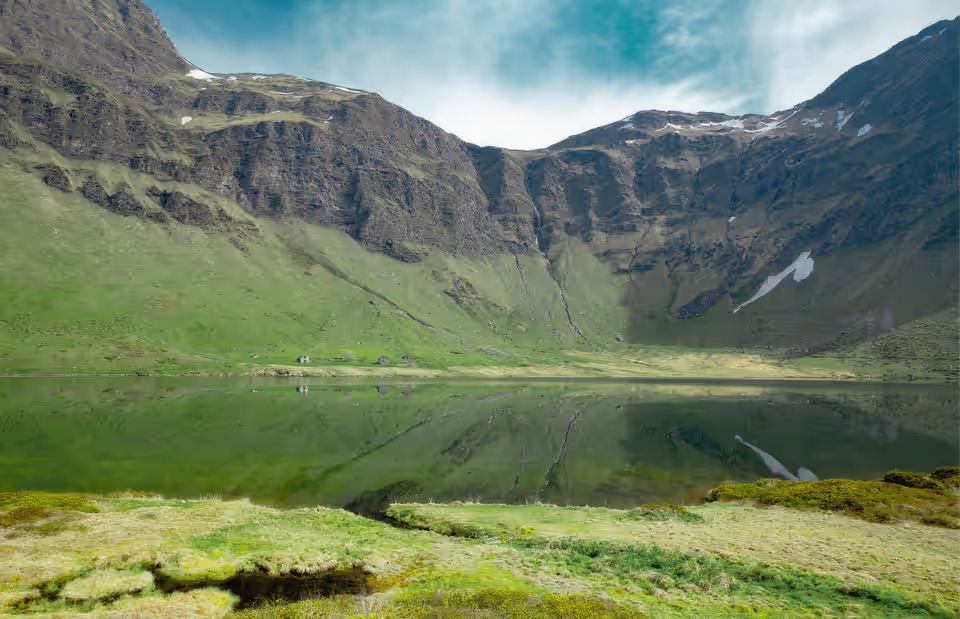
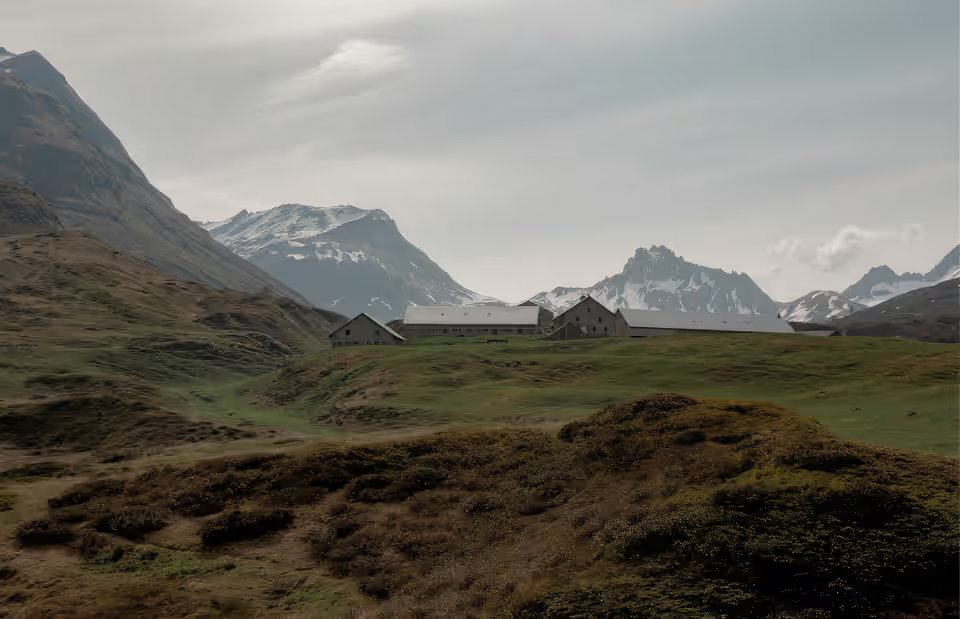
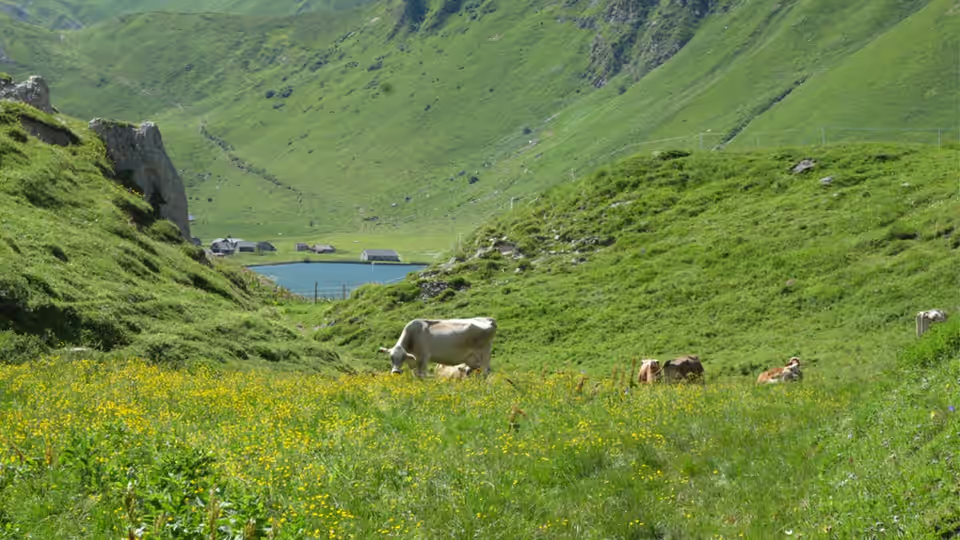
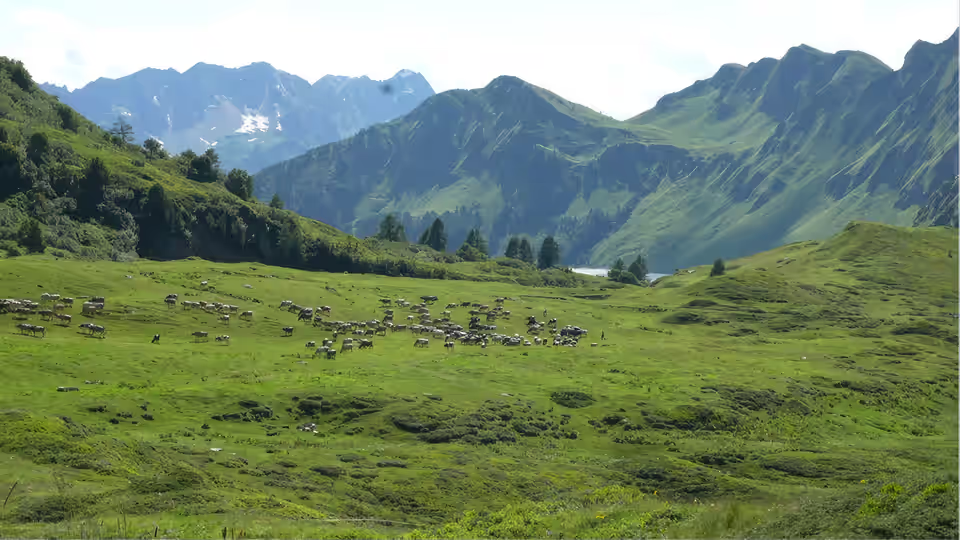
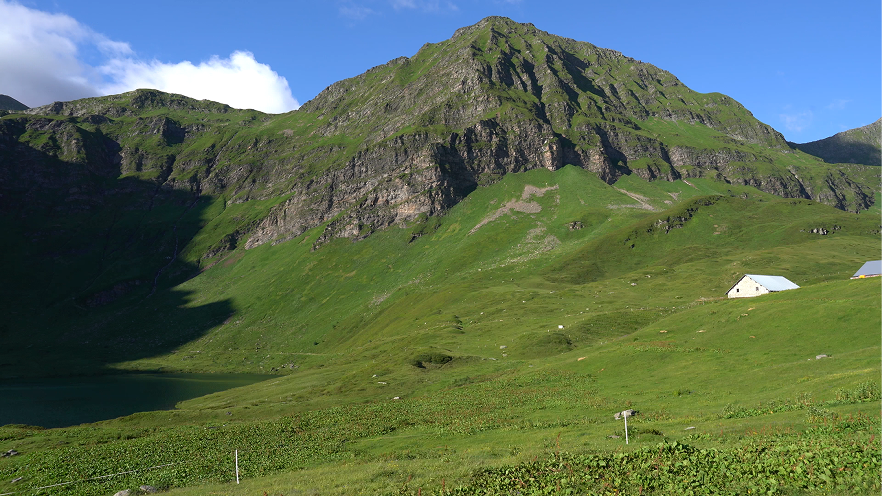
Chi contempla la serena bellezza della Val Piora e del suo Lago di Cadagno difficilmente sospetterebbe i profondi segreti che si nascondono sotto la sua tranquilla superficie. Situata nel cuore delle Alpi ticinesi a 2000 metri d'altitudine, questa valle è uno scrigno di inestimabile valore naturalistico e un punto di riferimento per la ricerca scientifica internazionale. Il suo paesaggio spettacolare, forgiato dai ghiacciai e dalla secolare attività umana, ospita un'incredibile diversità di habitat e forme di vita. Ma la magia più grande risiede nel cuore liquido del Cadagno: un raro ecosistema stratificato, un "portale" in cui ogni metro disceso nel buio rappresenta un tuffo indietro nel tempo, capace di ricreare le condizioni primordiali del nostro pianeta agli albori dell'evoluzione.
© HaLu - Own work, CC BY-SA 3.0
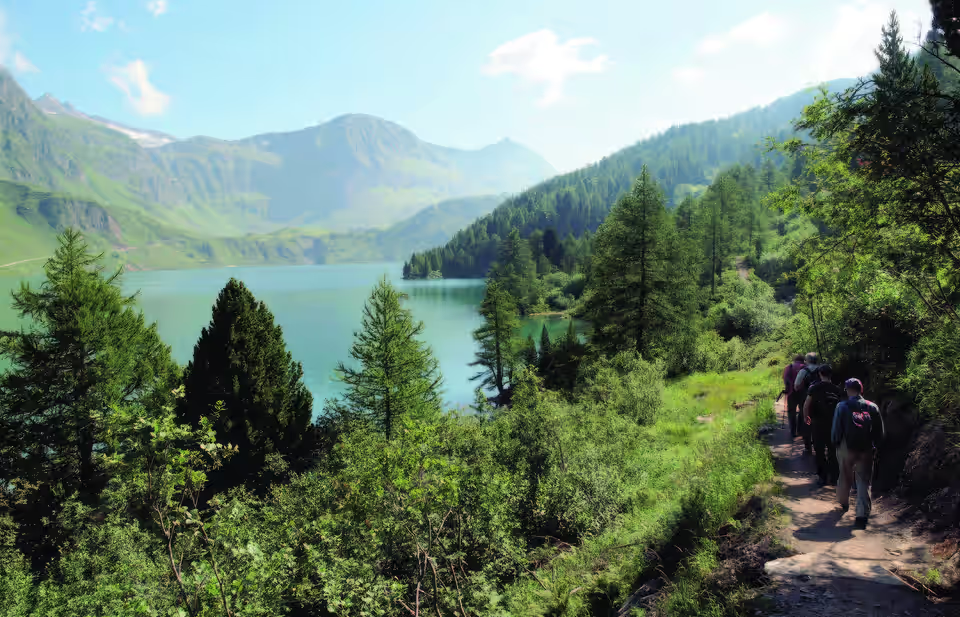
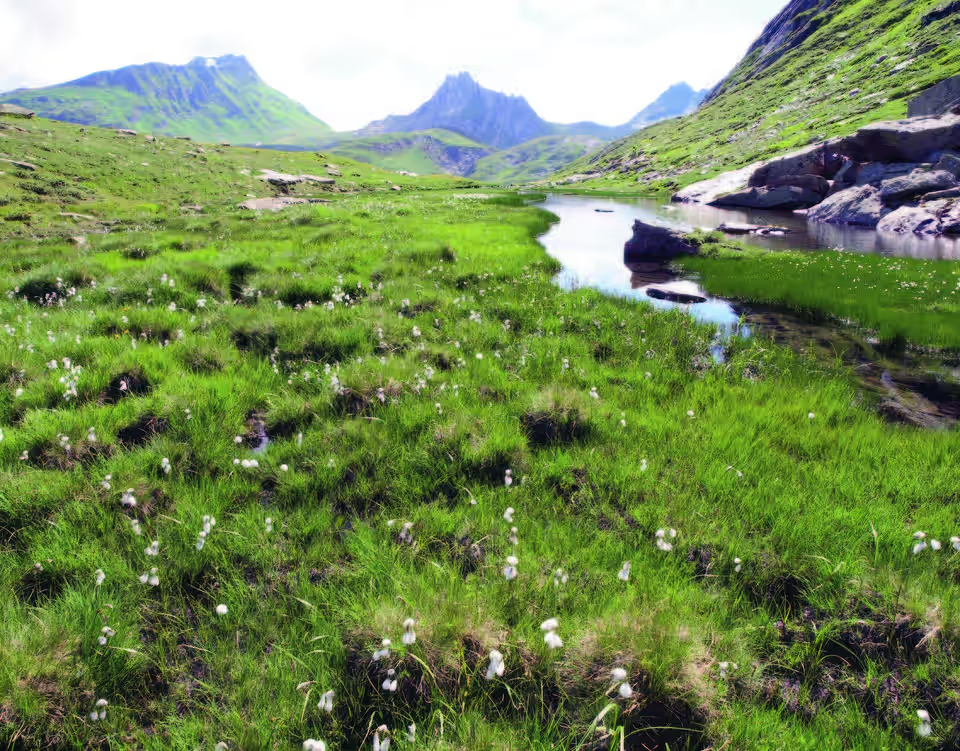
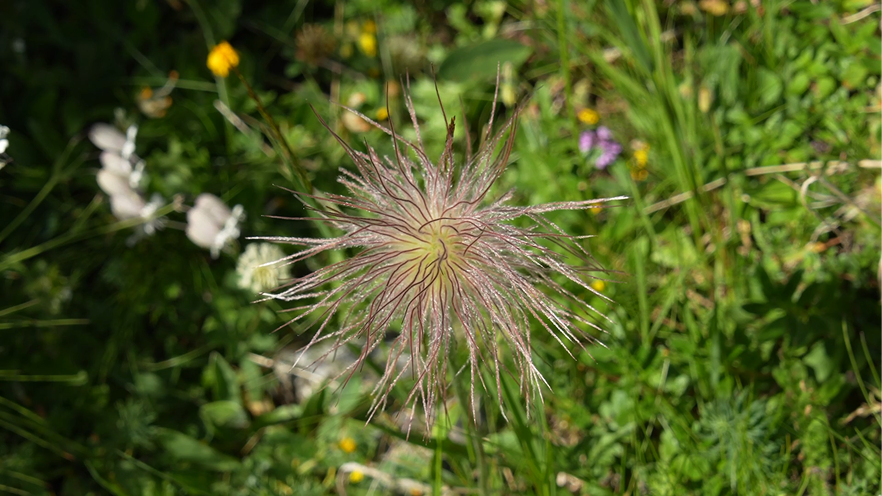
The valley's plant landscape is extraordinarily varied thanks to its complex geology. Within a few square kilometres you find lush larch and Swiss stone pine forests, dense shrubs, and delicate peatbogs that host precious high-altitude botanical rarities.
Galleria botanica della Val Piora:
A pochi passi dal lago si trova l’Erbario del Centro Botanico Alpino di Piora, uno dei più importanti archivi botanici delle Alpi meridionali. Qui vengono raccolte, catalogate e conservate le specie vegetali della regione: piante adattate a un clima duro, a forti variazioni stagionali e a una geologia complessa.
The Piora basin is a true natural laboratory: a mosaic of microclimates and varied rocks — dolomite, limestone, schist, and gneiss — with ecological gradients changing over just a few metres. The herbarium preserves the scientific record of this system and lets us observe how flora responds to the physical conditions shaping the valley. The same dynamics that structure surface biodiversity also contribute beneath the lake to the formation of meromixis and Cadagno's famous colourful microbial layers.
Pino cembro (Pinus cembra) e Larice
Swiss stone pine (Pinus cembra) and Larch:
Proud arboreal dominants forming the extensive high-altitude forests surrounding the lake basin.
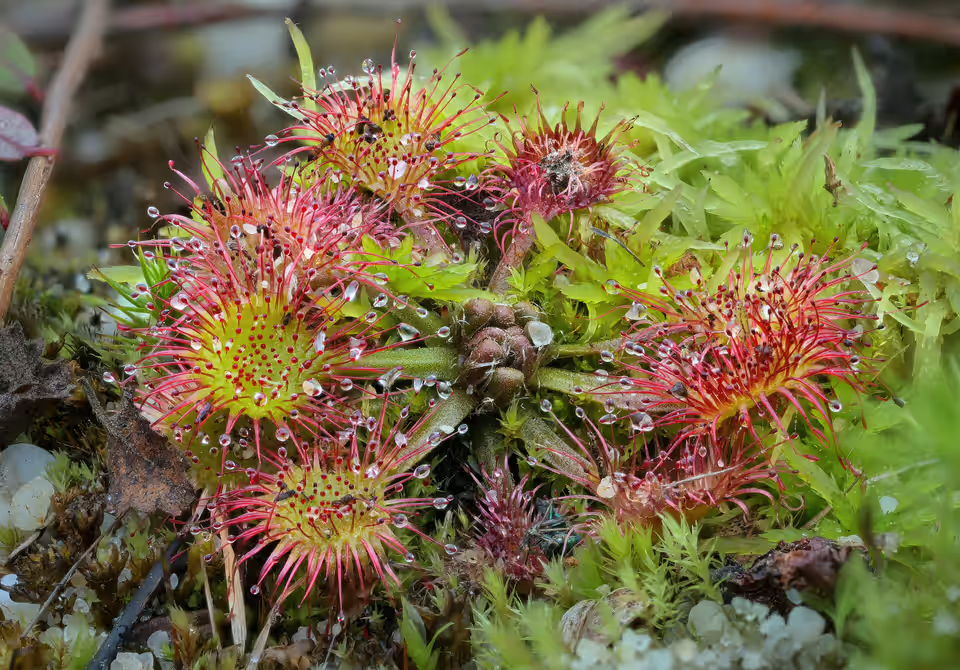
Drosera rotundifolia
Round-leaved sundew (Drosera rotundifolia):
A remarkable carnivorous plant typical of the precious bogs around Cadagno di Fuori.
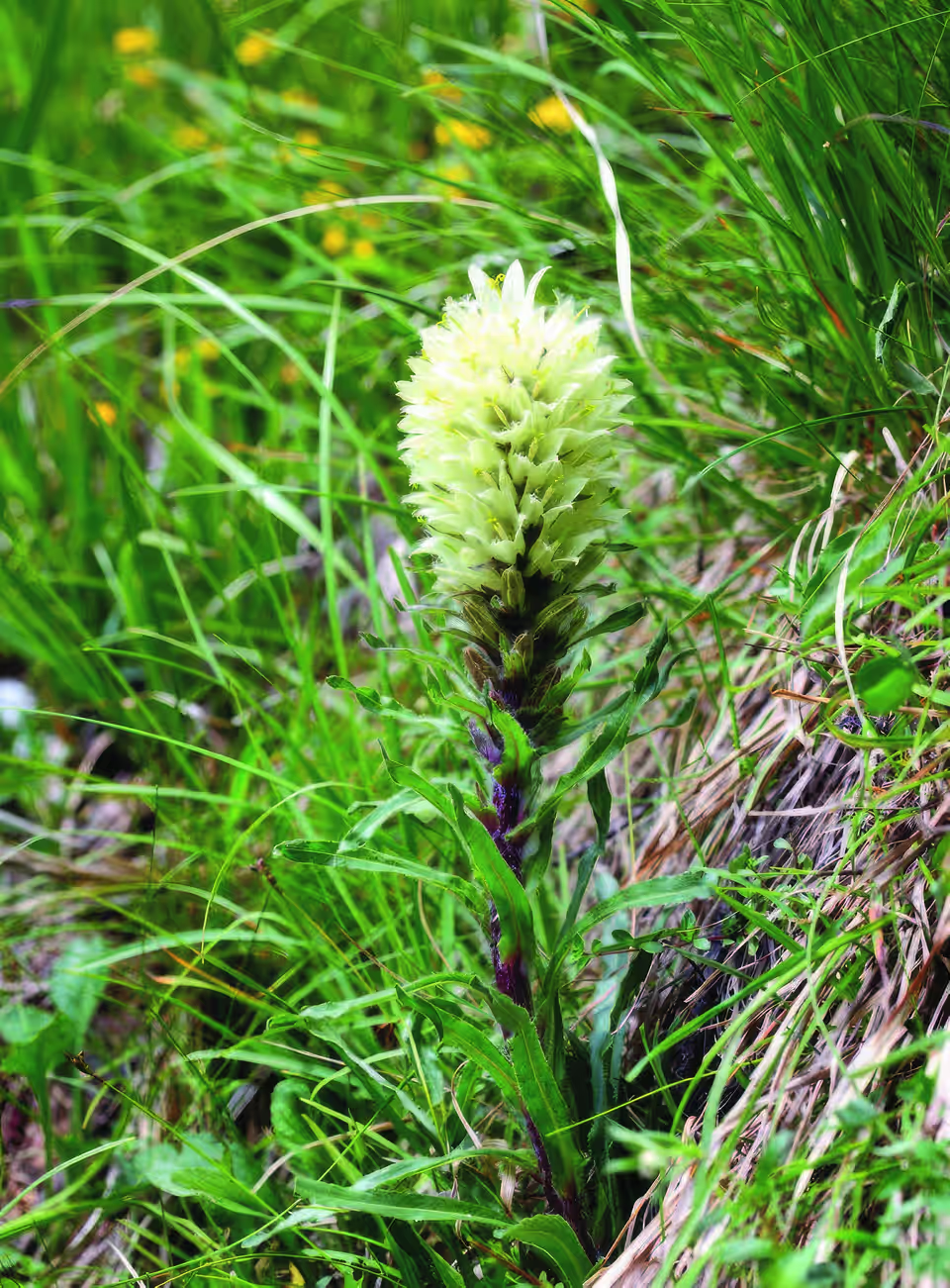
Campanula thyrsoides
Yellow bellflower (Campanula thyrsoides):
A rare bellflower associated with the calcareous alpine meadows of the region.
Eriophorum scheuchzeri
Scheuchzer's cotton-grass (Eriophorum scheuchzeri):
Elegant white, fluffy inflorescences that adorn the shallow alpine ponds and their surrounding wet margins.
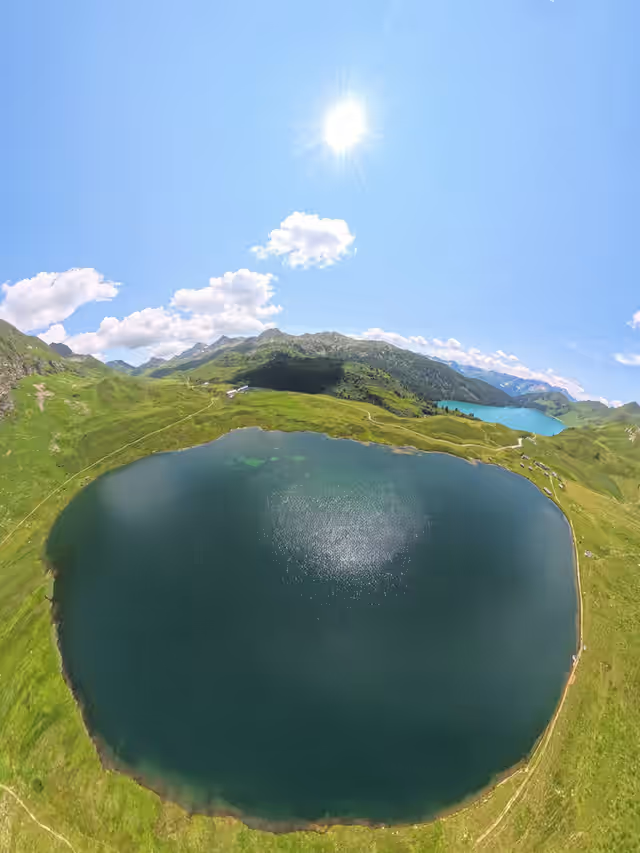
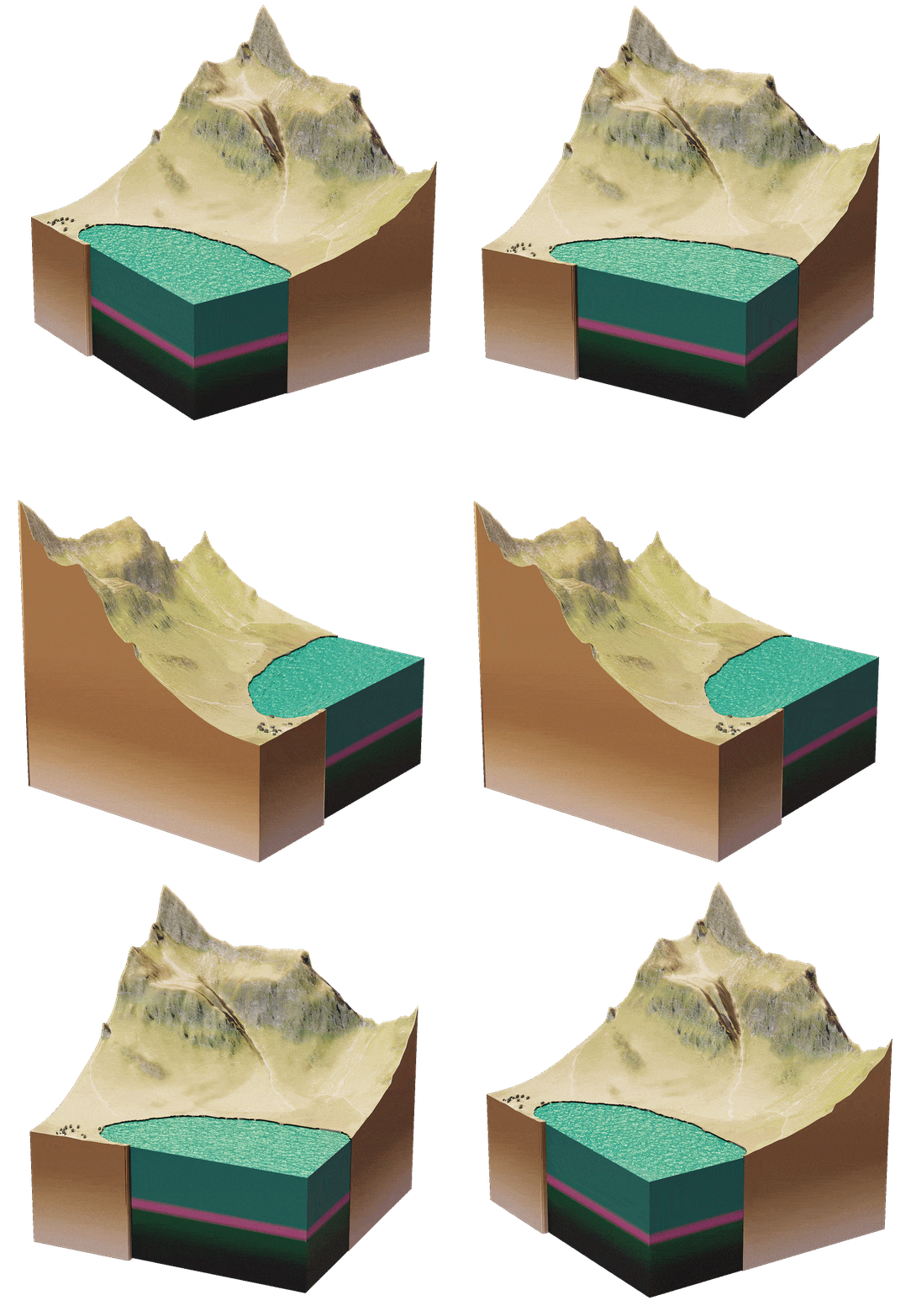
From above, Cadagno looks like a peaceful alpine basin, but its heart is extraordinary: it is a meromictic lake. This term describes a permanent stratification that prevents the waters from mixing. As you descend, the chemical composition changes radically, moving from the surface zone (fresh and oxygenated) to anoxic, saline depths. In just 21 metres, the lake recreates stages of the ancient Earth's atmosphere, making it a unique model for studying the evolution of life.
Meromixis
Most alpine lakes mix at least once a year, allowing surface and deep waters to exchange oxygen, nutrients and heat. In Lake Cadagno this does not happen. Cadagno is a meromictic lake: its water column is permanently stratified. The surface layers, lighter and less saline, remain separated from the denser, salt-rich deep waters. This separation is not temporary but stable over time. Meromixis turns the lake into a vertical structure of stacked environments, each with its own physical and chemical conditions.
The three worlds of Cadagno
The water column divides into three zones: the upper mixolimnion, rich in oxygen; the bottom monimolimnion, loaded with sulfide and completely anoxic; and between them the chemocline, a thin and fascinating biological boundary that prevents toxic compounds from rising to the surface.
Dolomite and the lake's secret veins
The secret of Cadagno's stability lies in its geological base. On the lakebed, underwater springs rise from saccharoid dolomite. This permeable rock continuously enriches the waters with calcium, magnesium and sulfur, creating a whitish, very dense "river" that flows and remains settled at the bottom.
Surface
The layer in direct contact with the air. Here wind, temperature and light influence the lake and allow oxygen to enter.
Upper mixolimnion
Oxygenated and well-lit water. Hosts phytoplankton, zooplankton, fish and microorganisms that depend on oxygen and photosynthesis.
Chemocline
An oxygen-free layer still reached by faint light. Here sulfur-using phototrophic bacteria live, exploiting sulfur and light in a form of photosynthesis without oxygen.
Monimolimnion
Total darkness and saline water, stable and isolated from upper layers. Life is sustained by anaerobic chemical processes linked to the sulfur cycle.
Life in the mixolimnion
In the first 10–11 metres of depth, Cadagno is a conventional but highly vital habitat. This fresh, crystalline and well-oxygenated water hosts the classic biodiversity of alpine lakes. The fish community, historically sustained by controlled stocking for recreational fishing, includes trout and char. Alongside the fish, a complex microscopic community dominates the ecological dynamics of this upper zone—the mixolimnion: pioneering photosynthetic algae, silica-encased diatoms and voracious planktonic creatures such as daphnia and rotifers that filter the water with microscopic cilia.
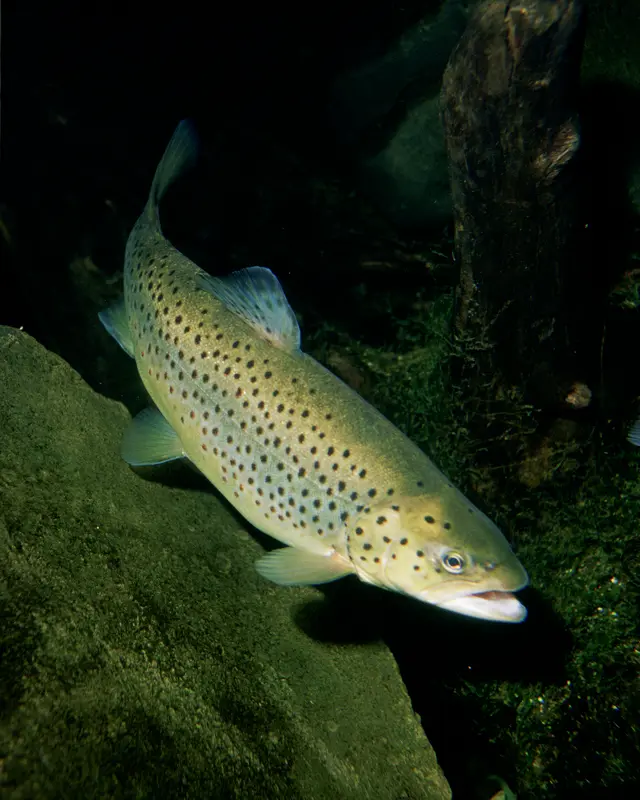
Fish (Salmo trutta)
Fish (Salmo trutta)
Exclusive inhabitants of the surface freshwater, historically introduced and managed for recreational fishing in Piora.
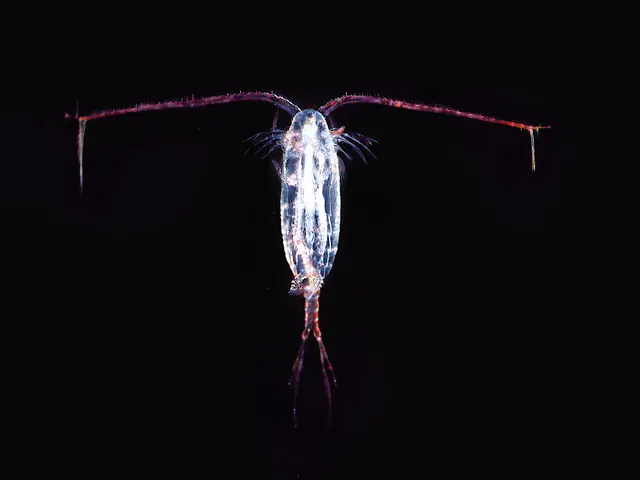
Zooplancton
Zooplancton
Crustaceans such as daphnia, or microscopic rotifers, that act as cleaners by preying on the oxygenated zone's phytoplankton.
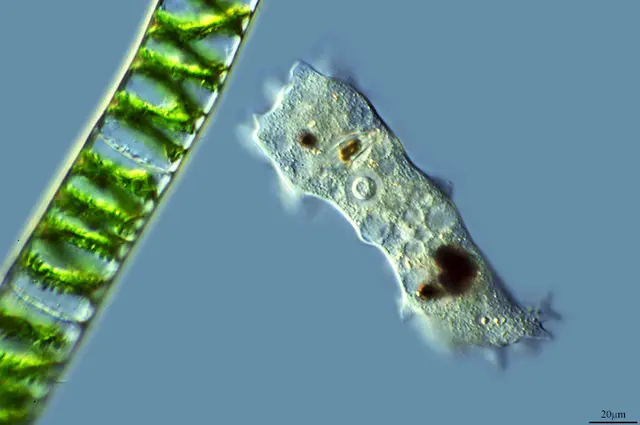
Fitoplancton (Diatomee)
Phytoplankton (Diatoms)
Tiny algae enclosed in delicate silica cases, crucial for the mixolimnion's food web.
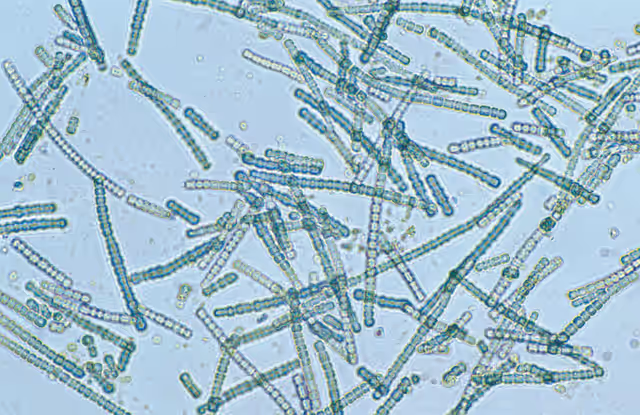
Cianobatteri
Cyanobacteria
Pioneers that revolutionised Earth's atmosphere billions of years ago by releasing oxygen through photosynthesis.
Purple sulfur bacteria: The energy of red light
In the pink band the Purple Sulfur Bacteria (PSB) reign supreme. Organisms such as Lamprocystis and the majestic, motile Chromatium okenii swarm in spectacular bioconvections to capture light, using hydrogen sulfide for an ancient and highly specialised form of photosynthesis.
Life before oxygen
This transition zone is the chemocline, the boundary where oxygen from above disappears and hydrogen sulfide rising from the bottom begins to appear. It is a stable environment with very little light, no oxygen and an abundance of sulfur compounds: perfect conditions for an ancient microbial community.

Green sulfur bacteria: Masters of the shade
Just beneath the red bacteria, at around 13 metres, you enter a world tinted olive green. The Green Sulfur Bacteria (GSB), such as the genus Chlorobium, thrive in almost total shade, skilfully capturing even single photons of light that filter through from the layers above.
The monimolimnion: A journey into Archean darkness
Below the bacterial filter opens Cadagno's final abyss: the monimolimnion. From about the thirteenth metre to the bottom, the water becomes clear again, but oxygen is gone forever, replaced by maximum concentrations of hydrogen sulfide and dissolved salts. This hostile environment — which gives off a pungent smell reminiscent of rotten eggs — is the exact analogue of the Earth's deep ocean during the Precambrian Era, over 3 billion years ago. It is a dark universe where life processes are driven by chemical reactions rather than sunlight, hosting an ancient evolutionary lineage.
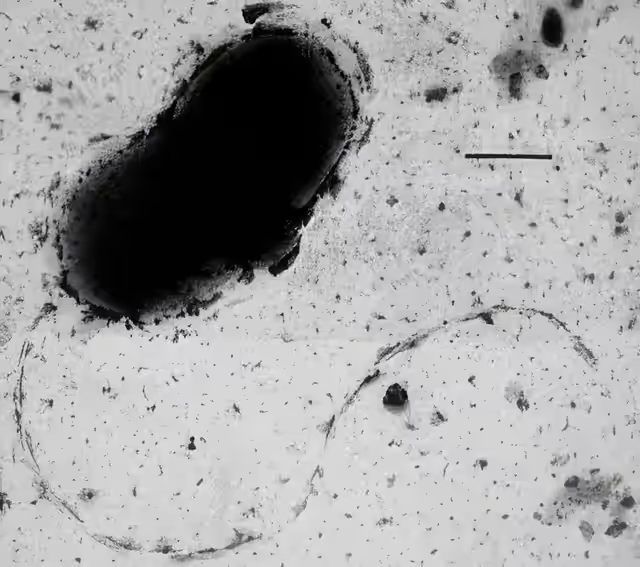
Desulfovibrio micrograph
SRB: The biochemists of the dark
In the total darkness of the monimolimnion, Sulfate-Reducing Bacteria (SRB) dominate, including organisms such as Desulfocapsa. They need neither light nor oxygen: they obtain all their energy by "breathing" sulfates released from dolomitic rocks, breaking down organic matter just as occurred at the dawn of Earth.
Discover TED-Ed
Useful links
1864m -0m -11m -12m -20m